A Simple Exercise for Separating Facts from Assumptions
One page, two columns — a quick way to see a situation more clearly.
Read Article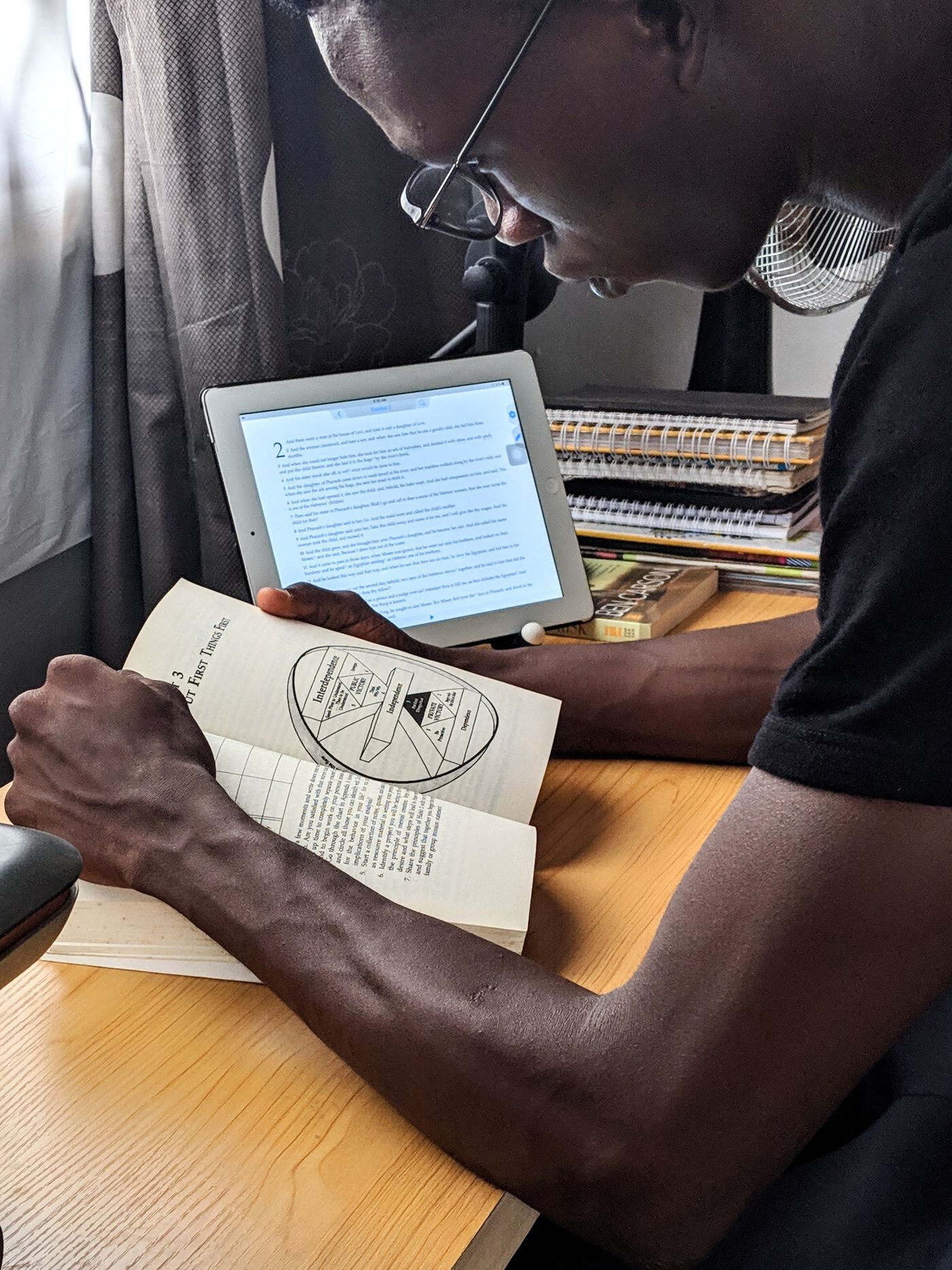
Photo by Oladimeji Ajegbile on Pexels
Most people don't struggle with decisions because they lack information. They struggle because the information they have is disorganized — scattered across half-finished thoughts, conversations with different people, and moments of doubt that show up at inconvenient times.
Structured reflection means giving a decision a defined space and a defined process, rather than letting it run quietly in the background of your day. That might mean setting aside time to write out what you actually know versus what you're assuming, or talking the situation through out loud with someone who can ask clarifying questions rather than offer quick opinions.
One useful starting point is separating the decision into three parts: the facts of the situation, your own priorities, and the options genuinely available to you. Many decisions feel harder than they are because these three categories are tangled together.
A consultation can serve as that structured space. The value isn't in being told what to do — it's in having a dedicated hour where someone is helping you organize your own thinking, ask better questions, and notice what you already know but haven't said out loud.
Whatever process you use, the goal is the same: move from a decision that feels like a fog to one you can describe clearly, even if you haven't made up your mind yet. Clarity about the shape of a decision is often the real turning point, well before the decision itself.

One page, two columns — a quick way to see a situation more clearly.
Read Article
Small, repeated communication patterns often matter more than any single conversation.
Read Article
The best routine isn't the most ambitious one — it's the one that survives a busy week.
Read ArticleA consultation gives you dedicated, one-to-one time to work through your own version of this question.
Start Consultation