Why Structured Reflection Helps Before a Big Decision
Big decisions rarely get clearer just by thinking about them more. A structured approach can help.
Read Article
Photo by Yan Krukau on Pexels
A well-placed question can open up a conversation far more than a well-placed answer. Yet most everyday conversations run on a narrow set of question types — mostly closed questions that invite a yes, a no, or a short factual reply.
Open-ended questions — ones that can't be answered in a single word — tend to produce more useful conversation. 'What matters most to you about this?' opens more space than 'Do you want to do this or not?'
A second useful habit is asking clarifying questions before offering an opinion. 'What have you already considered?' or 'What would a good outcome look like to you?' often surfaces information that changes the shape of the advice that follows — or removes the need for advice altogether.
It's also worth noticing when a question is really a suggestion in disguise ('Have you thought about just doing X?'). These can be useful, but they function differently from genuine, open inquiry, and mixing the two up can make a conversation feel more directive than intended.
Structured consultation sessions are built around exactly this kind of questioning — not to lead you toward a predetermined answer, but to help you think out loud in a way that's harder to do alone.
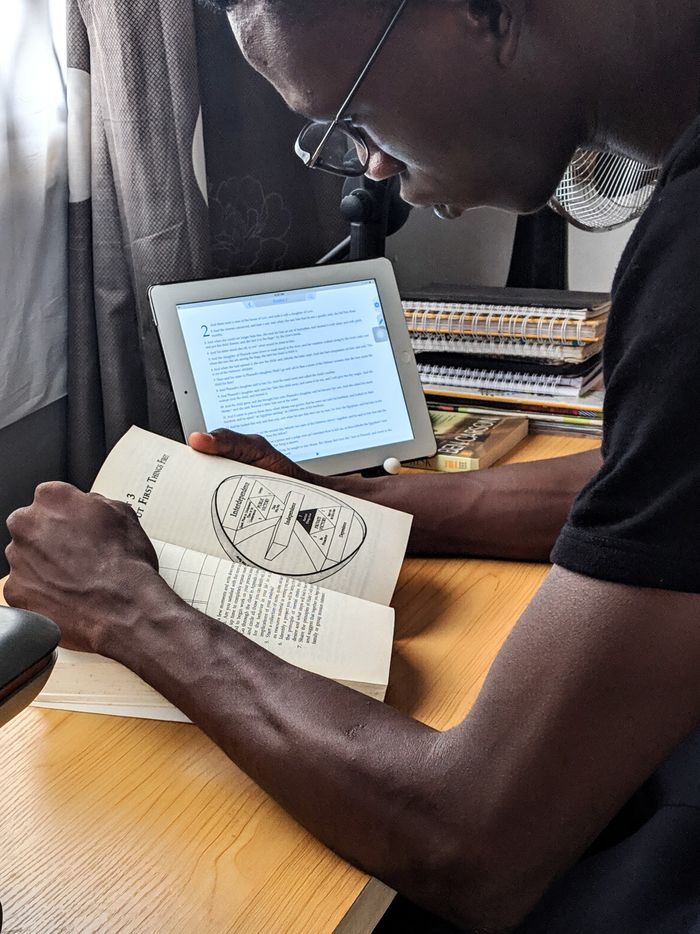
Big decisions rarely get clearer just by thinking about them more. A structured approach can help.
Read Article
Small, repeated communication patterns often matter more than any single conversation.
Read Article
The best routine isn't the most ambitious one — it's the one that survives a busy week.
Read ArticleA consultation gives you dedicated, one-to-one time to work through your own version of this question.
Start Consultation